
At a Crossroads in Your Relationship? How a Couples Therapy Intensive Can Help
When a relationship reaches a crossroads, couples often feel pressure to make a major decision before they fully understand what has happened between them.
One partner may be leaning toward leaving while the other wants to repair. Both may feel exhausted, disconnected, resentful, or unsure whether the relationship can change.
A couples therapy intensive can create protected time to slow the process down, understand the relationship more clearly, identify the patterns and injuries that brought you to this point, and explore what each partner truly wants moving forward.
The goal of intensive relationship therapy is not to pressure a couple to stay together. It is to help both partners move toward greater clarity, honesty, and intentional decision-making rather than making life-changing choices solely from a place of overwhelm, conflict, or emotional exhaustion.

Couples Therapy Intensives as a Reset After Relationship Burnout
Sometimes a relationship isn’t necessarily broken—it’s burned out.
Years of parenting, work, mental load, unresolved conflict, disconnection, resentment, or simply trying to keep life moving can leave couples feeling emotionally exhausted and unsure how to find their way back to each other.
When you’re experiencing relationship burnout, another 50-minute conversation may feel like it barely scratches the surface. A couples therapy intensiveoffers something different: protected, extended time to step out of the day-to-day cycle, understand what’s happening underneath the conflict or disconnection, and begin rebuilding your relationship with more intention.
Couples intensives aren’t a quick fix. They provide concentrated time to slow down patterns that usually happen quickly, support nervous system regulation, address unresolved hurts, and develop practical tools for connection, communication, and repair.

Common Emotions After Deep Intensive Work: What to Expect After a Therapy Intensive
A therapy intensive can create space to go deeper than you may be able to in a traditional 50-minute therapy session. But the emotional work doesn’t necessarily end when the session does.
In the hours and days afterward, you may feel tired, tender, emotional, relieved, reflective, foggy, or even temporarily unsure of what you’re feeling. This period of post-intensive integration can be an important part of making sense of the work you’ve done.
Giving your nervous system time to rest, reducing unnecessary demands when possible, and staying connected to appropriate therapy support can help you process what surfaced and begin carrying insights from the intensive into everyday life.

Back-to-School Anxiety for Adults: Why This Season Can Feel So Overwhelming for Parents
Back-to-school anxiety isn’t just something children experience. For parents and caregivers, the transition into a new school year can bring unexpected worry, irritability, sadness, pressure, or a sense of being overwhelmed. Changes in routines, increased responsibilities, financial stress, your child’s emotions, and even memories from your own school years can activate your nervous system.
If you notice yourself feeling more anxious as summer comes to an end, it doesn’t necessarily mean something is wrong. Your nervous system may simply be responding to a significant transition. Nervous system regulation, realistic expectations, and therapy for parents can help you move through this season with more steadiness—both for yourself and for your children.

Building Self-Trust After Trauma: How Therapy Supports Healing
If you’ve been through trauma, it can be deeply confusing to realize that you no longer trust yourself the way you once did – or maybe the way you wish you could.
You might question your reactions, minimize your feelings, replay conversations in your head, or feel frozen when it’s time to make even a simple decision. You may wonder why you keep looking to other people for reassurance, why your gut feels quiet, or why confidence seems to disappear when you need it most.
These experiences are incredibly common in trauma recovery.
Trauma can disrupt your sense of internal safety. When your nervous system has learned that the world – or relationships – are unpredictable, critical, overwhelming, or unsafe, self-trust often gets shaken too. Many survivors of emotionally unsafe relationships, chronic anxiety, or people-pleasing patterns learn to override their own needs in order to stay connected, avoid conflict, or protect themselves.
If that is your experience, you are not broken. Your system may have adapted in ways that once helped you survive. Healing often includes rebuilding self-trust slowly, gently, and with support.

Common Myths About Couples Therapy That Might Be Keeping You and Your Partner Stuck
It’s not uncommon to have reservations or misconceptions about couples therapy. Many couples find themselves questioning whether therapy is right for them or feel hesitant due to uncertainties about what to expect. If you and your partner have ever thought, “Maybe therapy isn’t for us,” you’re not alone. These feelings often stem from myths and preconceived notions that prevent people from exploring the deep emotional healing and support therapy can provide. Let’s break these misconceptions down together, one myth at a time, and shed light on what therapy truly offers.

Preparing for Parenthood: How Couples Therapy Can Help Before You Have Children
Preparing Your Relationship for One of Life’s Biggest Transitions
Bringing a child into your family can be one of the most meaningful and transformative experiences of your life. It can also be one of the most significant transitions a relationship will ever navigate.
Many couples spend months preparing for a baby by researching strollers, creating registries, attending medical appointments, and getting their home ready. Yet few people are encouraged to prepare emotionally and relationally for the changes that parenthood can bring.
If you and your partner are thinking about starting a family, you may be feeling excited, hopeful, nervous, or uncertain about what lies ahead. These feelings are completely normal. Becoming parents often brings up important conversations about communication, expectations, family dynamics, roles, values, and emotional well-being.
Couples therapy isn’t only for relationships in crisis. In fact, many healthy and connected couples seek therapy proactively as they prepare for parenthood. Therapy can provide a space to strengthen your relationship, improve communication, and build a foundation of emotional safety before the challenges of raising children begin.

Signs You’re Living in Survival Mode
When Feeling Overwhelmed Becomes Your Normal
Do you feel like you’re constantly running on empty? Maybe you’re always thinking about what needs to happen next, struggling to relax, or feeling like you’re carrying an invisible weight that never goes away.
For many adults, feeling overwhelmed, anxious, exhausted, or emotionally drained becomes so familiar that they stop questioning it. They assume they’re simply busy, stressed, or not doing enough to keep up. But sometimes, what feels like everyday stress is actually something deeper.
Many people spend months—or even years—living in survival mode without realizing it.
Survival mode is not a personal failure or a sign that you’re weak. It’s a protective response that develops when your mind and body have been exposed to ongoing stress, trauma, or prolonged pressure. The good news is that awareness is the first step toward healing, and with the right support, it’s possible to move from simply surviving to truly living.

Signs Your Relationship Is Living in Survival Mode
When You’re Both Running on Empty
Many couples come to therapy believing their primary problem is communication. They tell themselves they just need to stop arguing, be more patient, or find better ways to connect.
While communication is certainly important, sometimes the deeper issue is that the relationship itself has been operating in survival mode.
If you and your partner feel constantly overwhelmed, emotionally drained, disconnected, or stuck in recurring cycles of stress and conflict, you’re not alone. Many couples find themselves functioning this way without realizing it.
Life can place tremendous demands on relationships. Work stress, parenting responsibilities, financial pressures, caregiving, health concerns, unresolved trauma, and major life transitions can all take a toll. Over time, couples may shift from intentionally nurturing their relationship to simply getting through the day.
Living in survival mode doesn’t mean your relationship is failing. Often, it means your nervous systems have been working hard to manage chronic stress for longer than they were designed to. The good news is that awareness can be the first step toward healing, reconnection, and greater emotional safety.

Signs You’re Ready for a Therapy Intensive
If you’ve been exploring therapy intensives, you may be wondering whether this type of support is right for you. Many adults and couples feel drawn to the idea of making meaningful progress in a shorter period of time, yet they also have questions about whether they’re “ready” or whether an intensive would truly help.
The reality is that there is no perfect time to seek support. You do not need to be in crisis, have everything figured out, or reach a breaking point before considering a therapy intensive. In fact, many people pursue intensives because they are tired of feeling stuck and want a dedicated space to focus on healing, growth, and change.
Whether you’re struggling with unresolved trauma, relationship challenges, burnout, anxiety, or a difficult life transition, a therapy intensive can provide an opportunity to step away from daily distractions and engage in deeper therapeutic work.
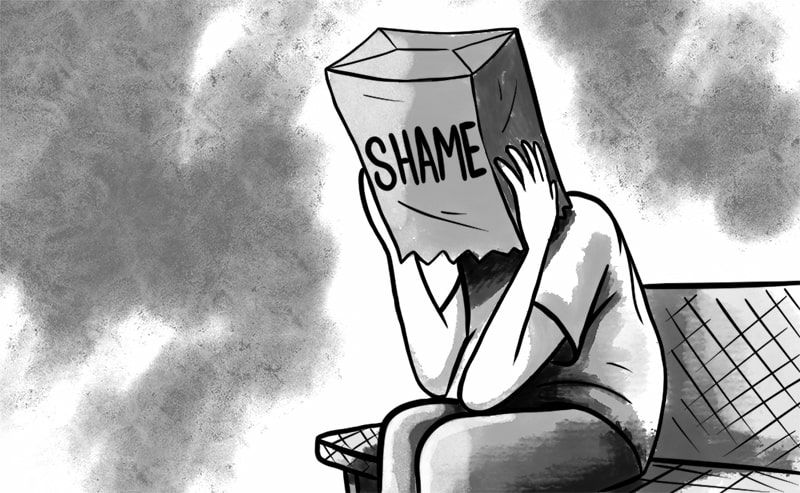
Healing from Family Rejection and Shame
The Lasting Pain of Rejection from Loved Ones and Communities
Few experiences cut as deeply as rejection from the people and communities we hoped would love and accept us. Whether it comes from family members, faith communities, or religious environments, rejection can leave emotional wounds that linger long after the event itself. For many individuals and couples, experiences of family rejection, criticism, shame, exclusion, or emotional disconnection become part of a much larger story about belonging, identity, and self-worth.
People are often told to simply “move on,” forgive, or stop dwelling on the past. Yet emotional wounds caused by rejection are rarely resolved through willpower alone. Human beings are wired for connection. When important relationships become sources of shame, criticism, or abandonment, the impact can extend far beyond the original experience.
For couples, these experiences can shape how partners relate to one another, navigate conflict, trust others, and build emotional safety. Understanding the effects of family rejection and religious trauma can be an important step toward emotional healing and healthier relationships.

Feeling Stuck on a Big Decision? A Therapy Intensive Might Help
When a Major Decision Feels Impossible to Make
At some point in life, most of us face decisions that feel incredibly significant.
Maybe you’re considering a career change, deciding whether to stay in or leave a relationship, contemplating a move, navigating a divorce, choosing whether to become a parent, or determining your next step after a major life transition.
You may find yourself making endless pros-and-cons lists, seeking advice from everyone around you, or replaying the same scenarios over and over in your mind. Despite your best efforts, clarity can feel frustratingly out of reach.
If you’re feeling stuck, conflicted, or overwhelmed by a major life decision, you’re not alone.
Many people assume that making a decision should be a logical process. Yet when the stakes feel high, decisions often involve much more than facts and reasoning. They can activate fears, old wounds, competing needs, and nervous system responses that make it difficult to know what feels right.
Feeling uncertain is not a sign of weakness, indecisiveness, or failure. Often, it reflects the complexity of being human and the emotional weight that important decisions can carry.

Still Feel Stuck After Years of Therapy? An Intensive Might Help
When You’ve Done the Work but Still Feel Stuck
If you’ve spent years in therapy, read the books, listened to the podcasts, practiced self-awareness, and worked hard on your healing, it can feel incredibly frustrating when you still find yourself getting triggered, shutting down, people-pleasing, or repeating familiar patterns.
Many clients come to therapy saying things like:
“I know where this comes from, but I still react the same way.”
“I understand my trauma intellectually, but I don’t feel different.”
“I’ve talked about this for years, and I’m still stuck.”
“I know what I should do, but I can’t seem to do it.”
If this sounds familiar, you’re not alone.
Feeling stuck in therapy does not mean you’ve failed. It doesn’t mean you’re resistant, unmotivated, or incapable of healing. In many cases, it reflects the reality that insight alone isn’t always enough to create lasting change.
For many people, deeper healing requires more than understanding their patterns—it requires working directly with the nervous system, emotional experiences, and underlying trauma that continue to shape present-day reactions.
This is where therapy intensives can offer something different.

Perfectionism as a Trauma Response
When Perfectionism Looks Like Success but Feels Like Exhaustion
Perfectionism is often praised in our culture. It can look like achievement, reliability, ambition, and attention to detail. People who hold themselves to exceptionally high standards are frequently recognized for their accomplishments and work ethic. From the outside, perfectionism may appear to be a strength.
But internally, perfectionism can feel very different.
Many people who struggle with perfectionism live with constant pressure, self-criticism, fear of making mistakes, and a sense that their worth depends on their performance. Even when they succeed, they may find it difficult to feel satisfied. There is often a persistent feeling that they should be doing more, achieving more, or being better.
If this sounds familiar, it’s important to know that perfectionism is not a personality flaw or a sign that something is wrong with you. In many cases, perfectionism and trauma are deeply connected. What looks like perfectionism on the surface may actually be a trauma response—a protective strategy developed to create safety, predictability, or acceptance in difficult circumstances.

Common Myths About Couples Therapy That Might Be Keeping You and Your Partner Stuck
It’s not uncommon to have reservations or misconceptions about couples therapy. Many couples find themselves questioning whether therapy is right for them or feel hesitant due to uncertainties about what to expect. If you and your partner have ever thought, “Maybe therapy isn’t for us,” you’re not alone. These feelings often stem from myths and preconceived notions that prevent people from exploring the deep emotional healing and support therapy can provide. Let’s break these misconceptions down together, one myth at a time, and shed light on what therapy truly offers.

How Busy Professionals Make Time for Couples Therapy
Therapy Intensives for Busy Couples: Deep, Focused Support for Meaningful Connection
In the whirlwind of responsibilities, obligations, and balancing two careers, even the strongest couples can find themselves feeling disconnected. Many high-achieving couples, though successful professionally, often struggle to carve out time for their relationship. Stress, unresolved conflict, or emotional distance can quietly build until they feel strained, disengaged, or overwhelmed. If weekly therapy seems impossible to fit into your packed schedule, or you’re looking for focused, impactful solutions, relationship therapy intensives might be the perfect option to help you and your partner reconnect and grow together.